Extraction · ErgoDenta
Extraction Instruments
Extraction forceps for every tooth group, luxating and root elevators, root tip elevators and periotomes — for controlled, atraumatic extractions.
 ↓
↓
The extraction workflow
The right instrument for every step
A controlled extraction preserves bone and soft tissue. Loosen first, then elevate, then deliver the tooth — and clean the socket.
- 01Loosen
Sever the ligament
Luxating elevators and periotomes cut the periodontal ligament with minimal force.
- 02Elevate
Mobilise
Straight and curved elevators luxate the tooth before forceps are applied.
- 03Extract
Deliver the tooth
Forceps shaped for each tooth group grip the root, not the crown.
- 04Retrieve
Root tips
Fine root tip elevators remove fractured apical fragments cleanly.
- 05Clean up
Socket care
Bone files and surgical curettes smooth edges and remove granulation tissue.
Shop by instrument type
Extraction instrument categories
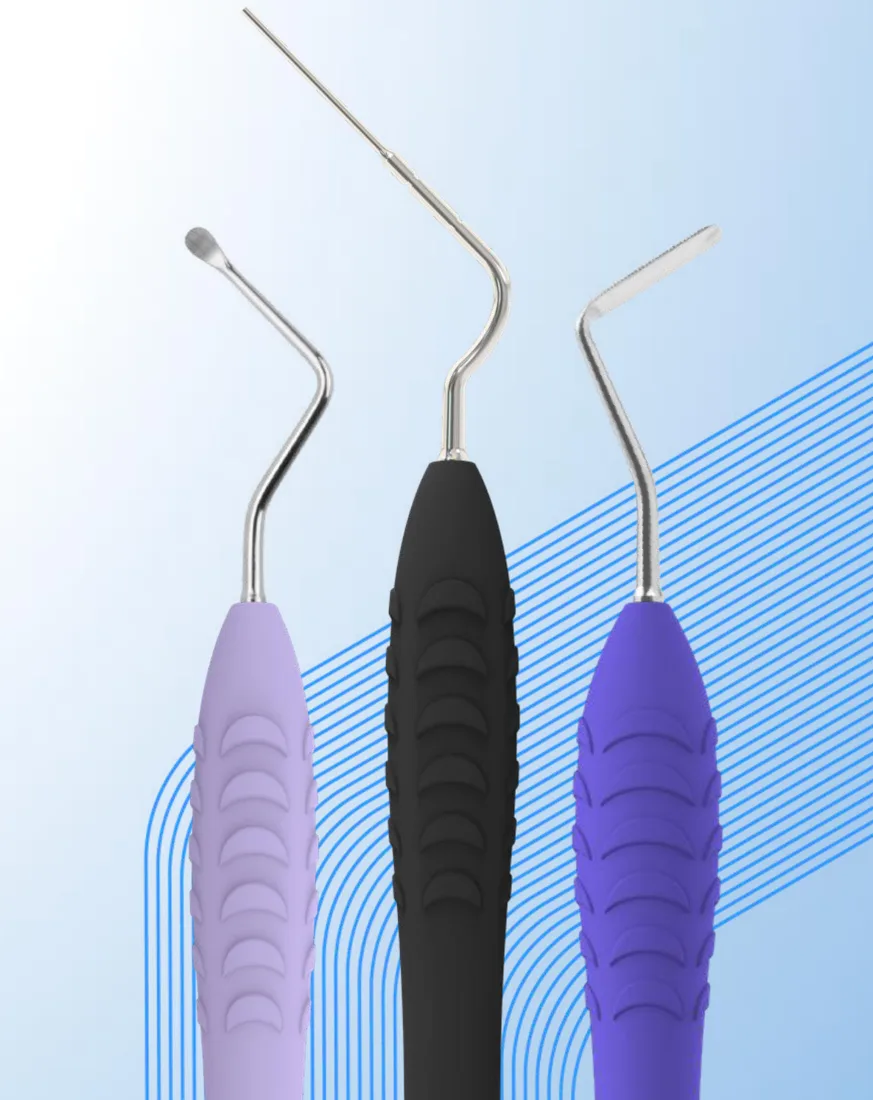
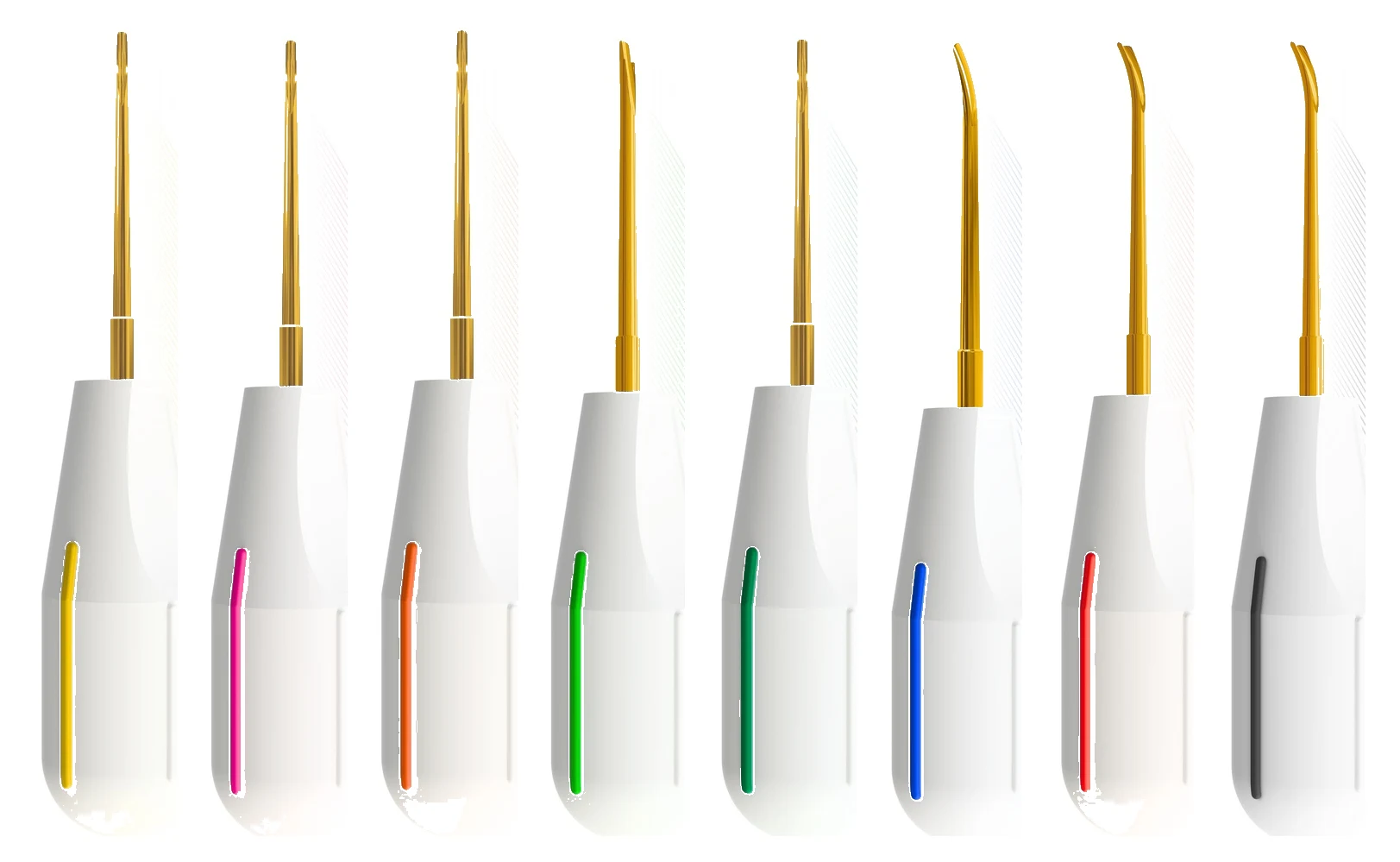
Diamond-coated forceps grips and colour-coded ErgoLite luxating elevators alongside the classic patterns.
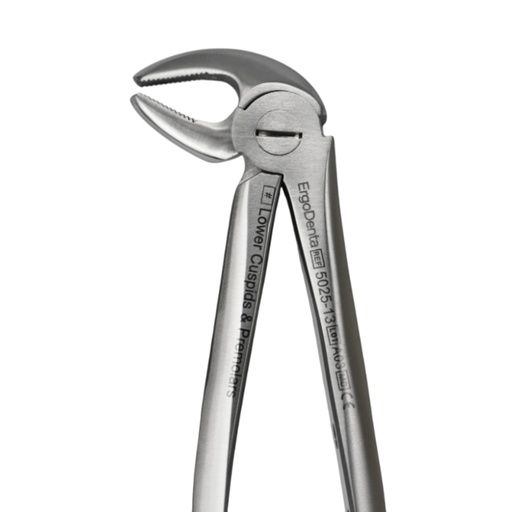
Extraction Forceps
69 instrumentsUpper and lower forceps for molars, premolars, anteriors and roots, including GripMaster diamond-coated grips.

Luxating Elevators
57 instrumentsErgoLite luxating elevators, colour-coded by blade width, straight and curved.

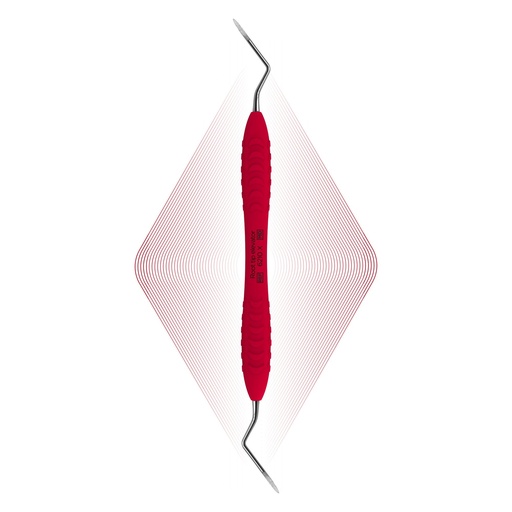

Specialty Elevators & Periotomes
15 instrumentsPeriotomes and specialty elevators for atraumatic, implant-friendly extraction.
Most ordered
Best-selling extraction instruments





Learn more
Extraction instrument guides
Practical, chairside guides from the ErgoDenta blog — patterns, technique and how to choose.
- Extraction Forceps Chart — Which Forceps for Which Tooth (Fig. Numbers & Pictures)
- An Extraction Forceps for Every Tooth
- GripMaster Diamond-Coated Forceps
- Atraumatic Extraction Toolkit
- ErgoLite Elevators
- Root Tip Elevators — Heidbrink
- Bone Files & Rongeurs
- Bone Curettes Compared
- Dental Instruments Names List (PDF)
Questions
Extraction Instruments — FAQ
What instruments are used for tooth extraction?
Luxators or periotomes to cut the periodontal ligament, elevators to loosen the tooth, extraction forceps shaped for the tooth group, root elevators for fractured roots, and a surgical curette and bone file to finish the socket. Extraction forceps chart →
Which forceps are used for which tooth?
In the European pattern: Fig. 29/30S upper incisors, Fig. 7 upper premolars, Fig. 17 and 18 upper molars right and left, Fig. 67A upper wisdom teeth, Fig. 33A lower incisors and premolars, Fig. 13 and 22 lower molars, and Fig. 79 lower wisdom teeth. Extraction forceps chart →
What is the difference between upper and lower extraction forceps?
Upper forceps have beaks in line with the handles, or a bayonet shape for posterior teeth. Lower forceps have beaks at right angles to the handles so you can grip from above. Extraction forceps chart →
Why do molar forceps have a pointed beak?
The pointed beak engages the furcation between the roots, giving a secure grip on the root trunk instead of the crown, which lowers the risk of fracturing the crown. Extraction forceps chart →
Which extraction forceps do I need for a basic set?
A basic set usually covers upper anteriors, upper premolars, upper molars (left and right), lower anteriors, lower premolars, lower molars and upper and lower root forceps. Numbering varies between systems, so match by tooth group. Extraction forceps chart →
What is the difference between a luxator and an elevator?
A luxator has a thin, sharp blade that cuts the periodontal ligament with little force. An elevator has a thicker blade that uses leverage to mobilise the tooth. Many clinicians use a luxator first, then an elevator.
What is an atraumatic extraction?
An atraumatic extraction aims to remove the tooth while preserving the surrounding bone and soft tissue — typically with periotomes, luxators and controlled forceps movements, which is especially important before implants.
Why diamond-coated forceps?
A diamond-coated grip holds the root securely with less squeezing force, reducing slipping and crown fracture.
How do I remove a fractured root tip?
Fine root tip elevators such as Heidbrink patterns are used to gently lever out small apical fragments, often after creating space with a periotome.
Putting together an extraction set?
Tell us which teeth and techniques you cover — we will suggest forceps, elevators and luxators for your practice.
Contact our teamFind a local distributor