05 · Sterilize & Organize · ErgoDenta catalog 2026
Sterilization & Organization
Keep instrument sets organised with cassettes, colour-code rings and identification tape — accessories for instrument identification, storage and your established reprocessing workflow.
 ↓
↓
The instrument cycle
The right instrument for every step
Organised instruments save time at the chair and in the sterilisation room. Keep sets together from tray set-up through reprocessing and back.
- 01Set up
Tray per procedure
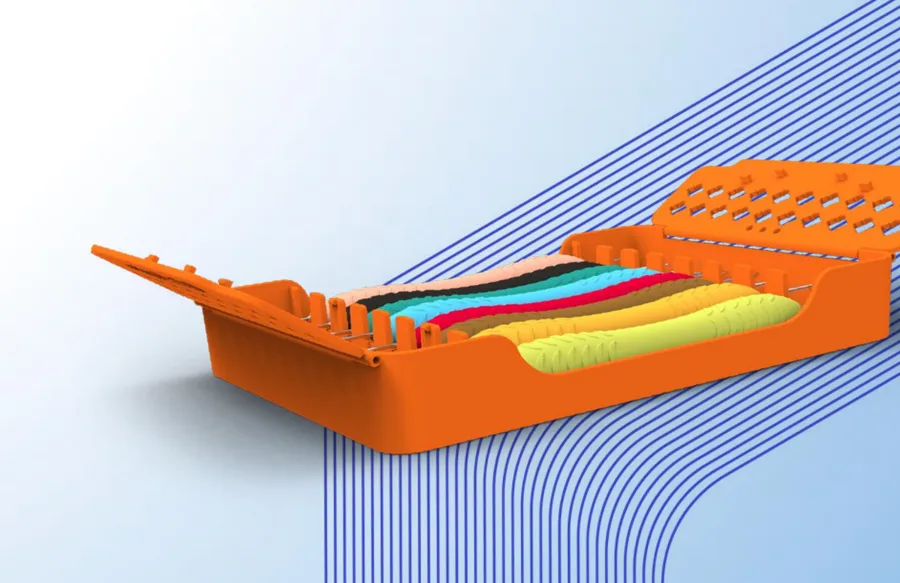
ErgoTrays hold five or eight instruments with a locking lid — one tray per procedure.
- 02Identify
Colour-code
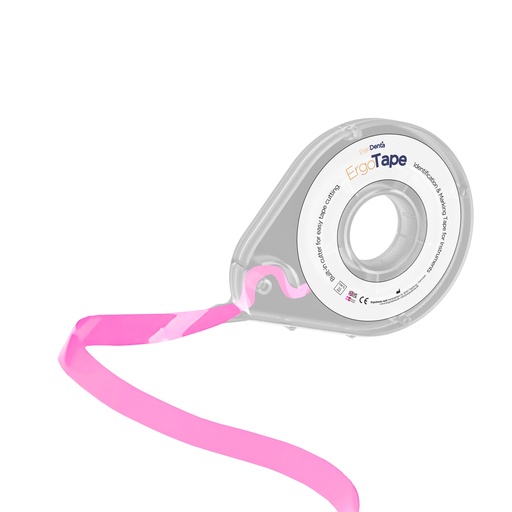
Rings and ErgoTape mark instruments by procedure, room or clinician.
- 03Contain
Cassettes
Sterilisation cassettes keep full sets together through washer and autoclave.
- 04Reprocess
Clean & sterilise
Validated cleaning and steam sterilisation keep instruments sharp, safe and rust-free.
Shop by instrument type
Sterilize & organize categories
Everything that keeps instrument sets together, identifiable and ready for the next patient.
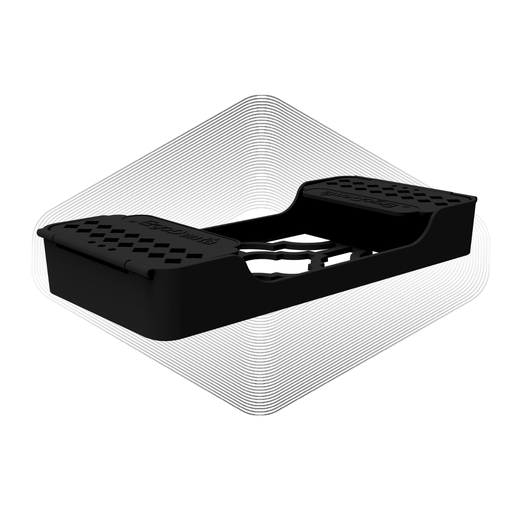
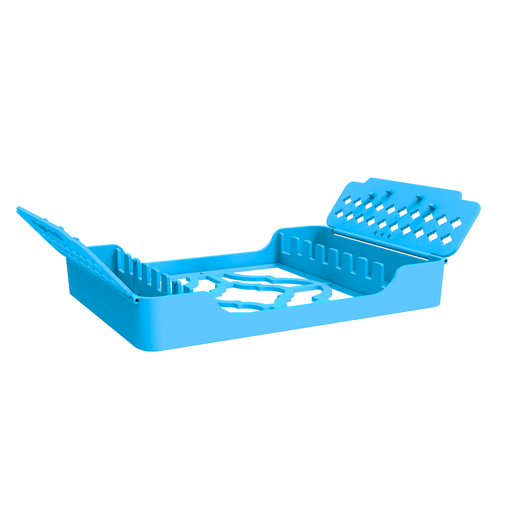
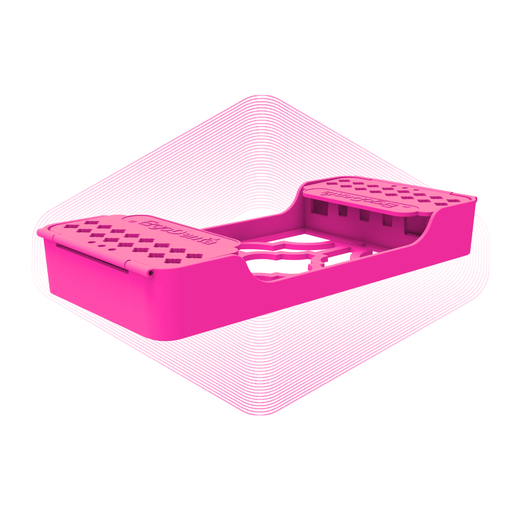
Sterilization Cassettes
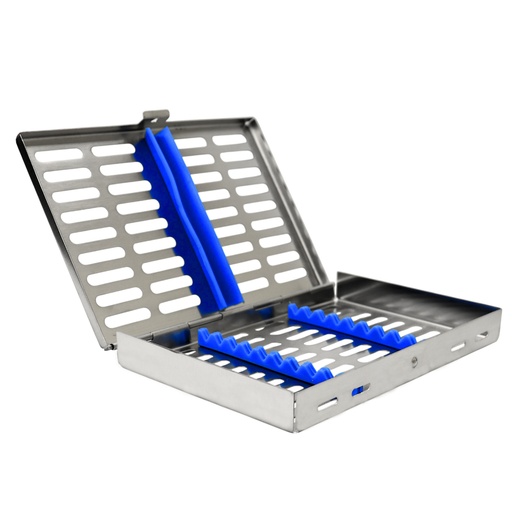
70 instrumentsCassettes for 5, 10 and 20 instruments in several colours, with removable lids.


Learn more
Sterilization & organization guides
Practical, chairside guides from the ErgoDenta blog — patterns, technique and how to choose.
Questions
Sterilization & Organization — FAQ
What are the steps of dental instrument sterilization?
Transport in a closed container or cassette, cleaning in a washer-disinfector or ultrasonic bath, drying and inspection, packaging and labelling, steam sterilisation, and dry, covered storage, with mechanical, chemical and biological monitoring. Sterilization workflow guide →
What are the three categories of dental instruments?
The Spaulding categories: critical instruments that penetrate soft tissue or bone and must be sterilised; semi-critical instruments that touch mucosa and should be heat-sterilised where possible; and non-critical items that touch only intact skin and need cleaning and disinfection. Sterilization workflow guide →
What temperature are dental instruments sterilised at?
Most European practices use a class B steam steriliser at 134 °C with a holding time of at least 3 minutes; some cycles run at 121 °C for longer. Always follow the instructions for use. ErgoDenta instruments should never exceed 138 °C. Sterilization workflow guide →
Why use instrument cassettes?
Cassettes keep a complete set together from the chair through cleaning, sterilisation and storage. Instruments are handled less, which reduces sharps injuries and damage, and every set arrives complete. Sterilization workflow guide →
Cassettes or pouches — which is better?
Cassettes keep complete sets together through cleaning, sterilisation and storage, which saves sorting time and protects sharp edges. Pouches suit single instruments and small sets.
How do I colour-code dental instruments?
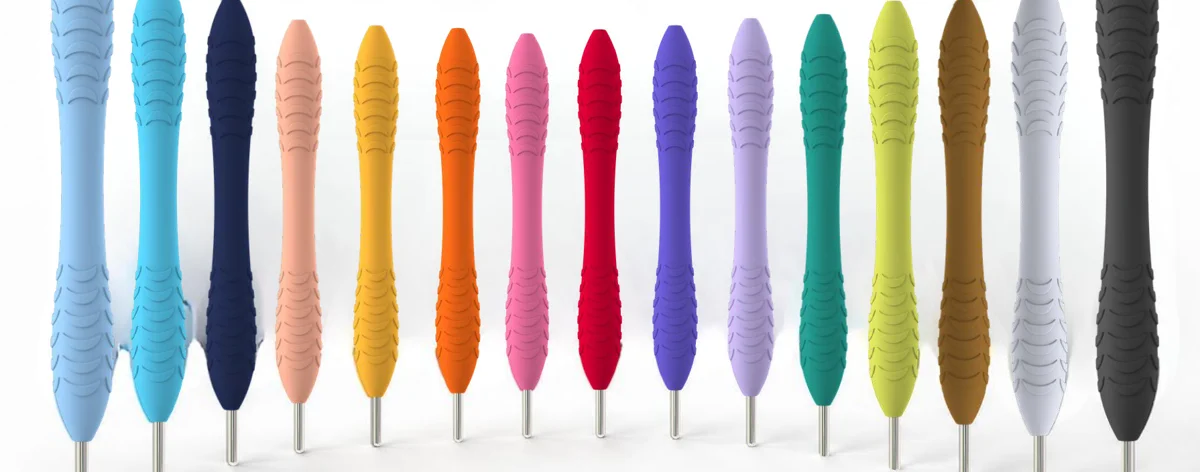
Assign a colour per procedure, room or clinician, then use coloured handles, colour-code rings or ErgoTape so every instrument returns to the right set. Sterilization workflow guide →
Can ErgoX® and ErgoLite instruments be autoclaved?
Yes. ErgoDenta instruments are reprocessed by validated steam sterilisation — never above 138 °C. See our care & reprocessing guide for the full procedure.
Why do instruments get rust spots?
Most spots come from residues, mixed metals in the load, poor water quality or detergent issues rather than the steel itself. Our rust guide explains the causes and how to prevent them.
Which cassette size do I need?
Choose by the number of instruments in the set: 5 for small procedure sets, 10 for standard trays and 20 for larger surgical or hygiene sets.
Organising instrument flow in your clinic?
Tell us how many operatories and procedures you run — we will suggest trays, cassettes and a colour-coding plan.
Contact our teamFind a local distributor