Extraction · instrument guide
Extraction forceps look alike until you need the right one. Each pattern is shaped for one group of teeth, and the Fig. number tells you which. This chart lists the European (English) pattern forceps by tooth, and the elevators and luxators you use before them.
A tooth extraction uses luxators or periotomes to cut the periodontal ligament, elevators to loosen the tooth, and forceps shaped for the tooth group. Upper forceps are straight or bayonet-shaped; lower forceps have beaks at right angles to the handles. Molar forceps have a pointed beak that engages the furcation.
What instruments are used for tooth extraction?
| Instrument | Job |
|---|---|
| Luxator / periotome | Thin, sharp blade that cuts the periodontal ligament with little force |
| Elevator (e.g. Bein) | Loosens the tooth by leverage and rotation |
| Extraction forceps | Grip the root and deliver the tooth |
| Root elevators (Cryer, Heidbrink) | Remove fractured roots and root tips |
| Surgical curette, bone file | Clean the socket and smooth sharp bone |
Start with a luxator and let it do the work before the forceps go on; see our atraumatic extraction toolkit.
Upper jaw
Upper forceps: which forceps for which tooth?
Upper forceps have beaks in line with the handles, or a bayonet shape for posterior teeth and roots.
| Tooth | Forceps (Fig.) |
|---|---|
| Upper incisors and canines | Fig. 29, Fig. 30S (upper front) |
| Upper premolars | Fig. 7 |
| Upper molars, right | Fig. 17 |
| Upper molars, left | Fig. 18 |
| Upper wisdom teeth | Fig. 67A |
| Upper roots | Fig. 51A, 41, 46, 97, 144; Witzel Fig. 98 |
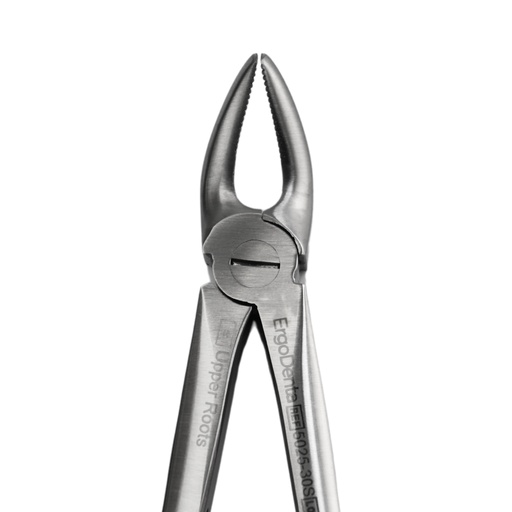 Fig. 30SUpper frontUpper incisors and canines.View instrument →
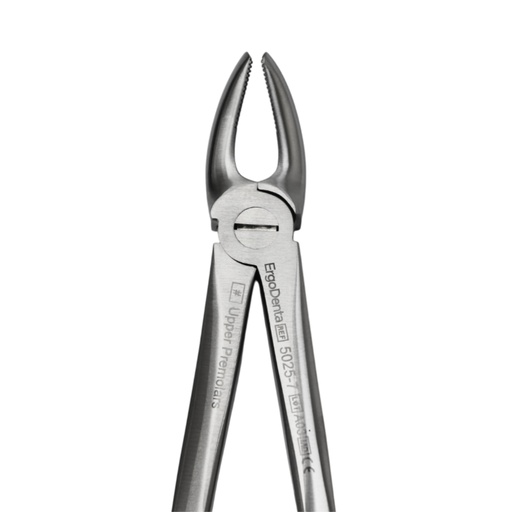 Fig. 7Upper premolarsS-shaped handles for upper premolars.View instrument →
 Fig. 17Upper molars, rightPointed buccal beak for the furcation.View instrument →
 Fig. 18Upper molars, leftMirror image of Fig. 17.View instrument →
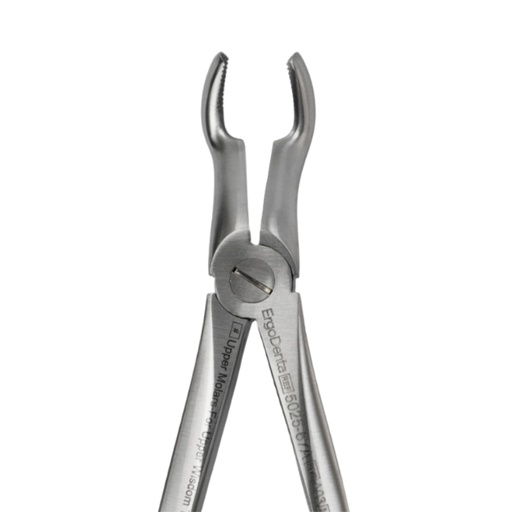 Fig. 67AUpper wisdom teethBayonet shape to reach the third molar.View instrument →
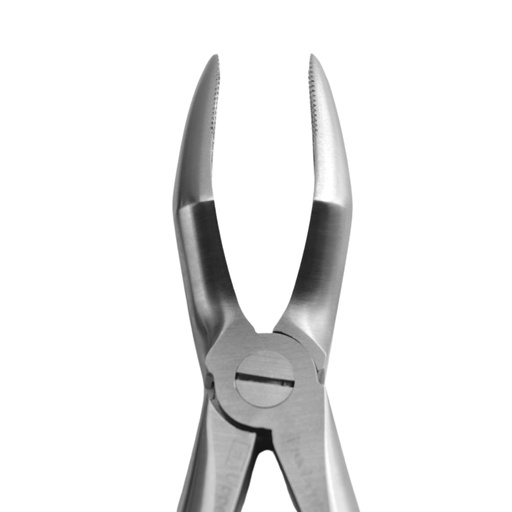 Fig. 51AUpper rootsNarrow bayonet beaks for roots.View instrument →
Lower jaw
Lower forceps: which forceps for which tooth?
Lower forceps have beaks at right angles to the handles.
| Tooth | Forceps (Fig.) |
|---|---|
| Lower incisors, premolars and roots | Fig. 33A |
| Lower molars and premolars | Fig. 13 |
| Lower molars | Fig. 22, 86, 86A, 86B, 87; Hertz Fig. 99 |
| Lower molars, right / left | Fig. 23 / Fig. 24 |
| Lower wisdom teeth | Fig. 79 |
| Lower roots | Fig. 74N |
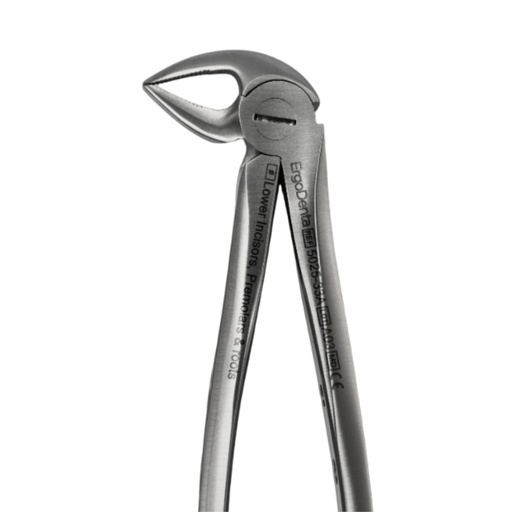 Fig. 33ALower incisors, premolars, rootsNarrow beaks for single-rooted lower teeth.View instrument →
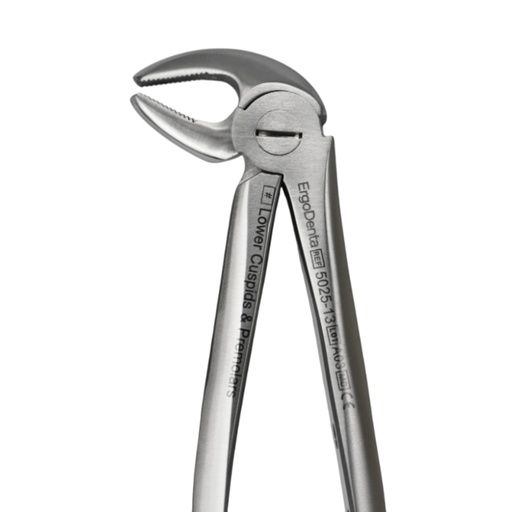 Fig. 13Lower molars and premolarsA versatile lower pattern.View instrument →
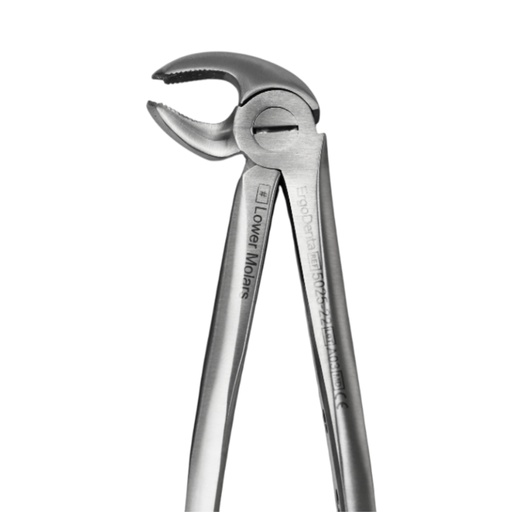 Fig. 22Lower molarsTwo pointed beaks engage both furcations.View instrument →
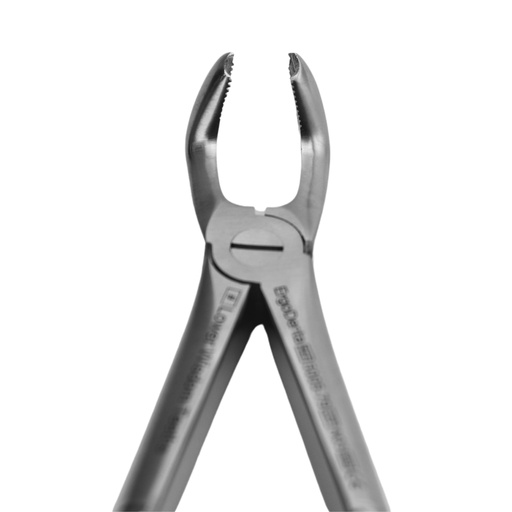 Fig. 79Lower wisdom teethAngled to reach the third molar.View instrument →
 Fig. 74NLower rootsFine beaks for lower roots.View instrument →
 Diamond forceps kit10-piece kitThe core upper and lower patterns in one set.View instrument →
Children's extraction forceps
Paediatric forceps are smaller, with shorter handles and narrower beaks for primary teeth.
| Tooth | Forceps (Fig.) |
|---|---|
| Upper incisors | Fig. 137 |
| Upper premolars / primary molars | Fig. 139, Fig. 3 (upper molars) |
| Upper roots | Fig. 51S |
| Lower incisors | Fig. 5 |
| Lower molars | Fig. 6 |
| Lower roots | Fig. 7 |
Note: Fig. numbers differ between the European (English) and American patterns. This chart follows the European pattern used in the ErgoDenta range; always check the tooth group printed on the product.
Before the forceps
Elevators and luxators
A luxator has a thin, sharp blade that cuts the ligament; an elevator has a stronger blade that uses leverage. Many clinicians use a luxator first, then an elevator.
 Luxating elevator 3 mmLuxatorCuts the periodontal ligament with minimal force.View instrument →
 PeriotomeAtraumatic extractionSevers the ligament to preserve bone for implants.View instrument →
 Bein root elevatorStraight elevatorLuxates teeth and roots before the forceps.View instrument →
 Cryer elevatorEast-West elevatorRemoves a root after its neighbour is out.View instrument →
 Heidbrink root tip elevatorRoot tip pickVery fine blade for apical root tips.View instrument →
Build your extraction set
Standard, Diamond and GripMaster forceps, luxators, elevators and root tip instruments.
Questions
Frequently asked questions
What instruments are used for tooth extraction?
Luxators or periotomes to cut the periodontal ligament, elevators to loosen the tooth, extraction forceps shaped for the tooth group, root elevators for fractured roots, and a surgical curette and bone file to finish the socket.
Which forceps are used for which tooth?
In the European pattern: Fig. 29/30S upper incisors, Fig. 7 upper premolars, Fig. 17 and 18 upper molars right and left, Fig. 67A upper wisdom teeth, Fig. 33A lower incisors and premolars, Fig. 13 and 22 lower molars, and Fig. 79 lower wisdom teeth.
What is the difference between upper and lower extraction forceps?
Upper forceps have beaks in line with the handles, or a bayonet shape for posterior teeth. Lower forceps have beaks at right angles to the handles so you can grip from above.
What is the difference between an elevator and a luxator?
A luxator has a thin, sharp blade that cuts the periodontal ligament with little force. An elevator has a thicker blade that uses leverage to mobilise the tooth. Many clinicians use a luxator first, then an elevator.
Why do molar forceps have a pointed beak?
The pointed beak engages the furcation between the roots, giving a secure grip on the root trunk instead of the crown, which lowers the risk of fracturing the crown.