
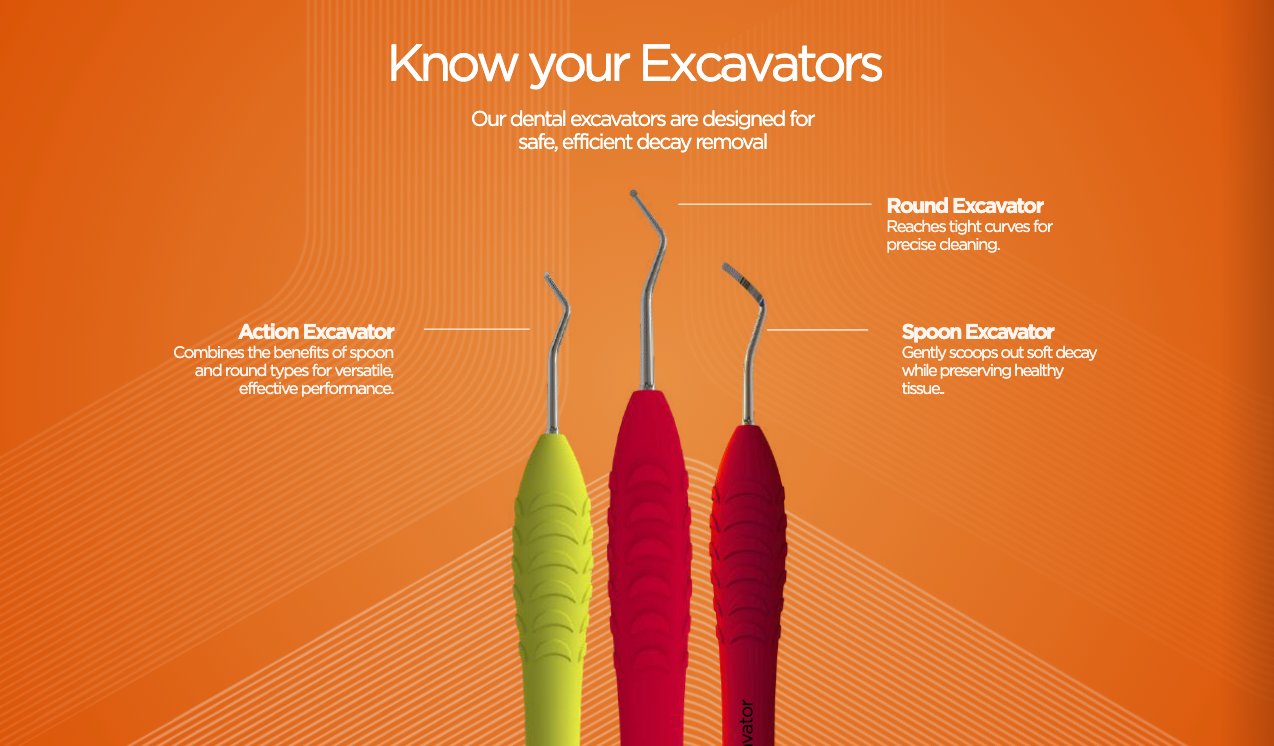
The excavator is one of the most-used instruments on the tray — and ErgoDenta makes it in more shapes, sizes and handles than most. This guide explains every excavator type, the sizes available, and exactly which handle each one comes in.
A dental excavator is a double-ended hand instrument with rounded cutting edges used to remove soft caries, excess cement, temporary materials and debris from a cavity. ErgoDenta offers a full excavator range across three working-end types and several handle lines — so you can match both the tip and the feel to how you work. Browse the whole range under Excavators.
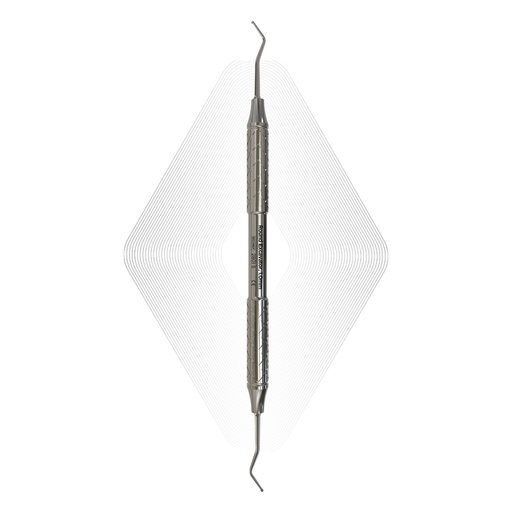
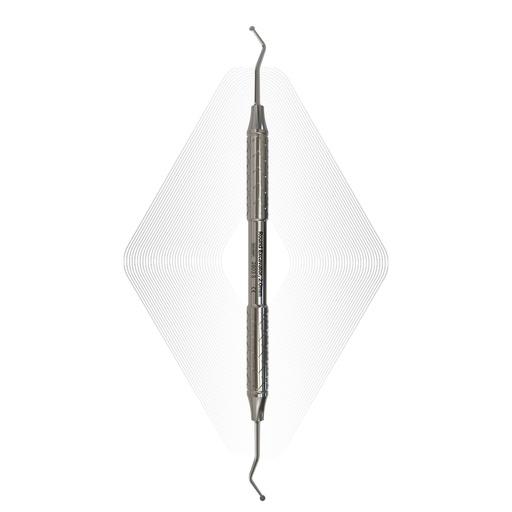
The three excavator types by ErgoDenta
Every ErgoDenta excavator is double-ended and fully autoclavable. The difference is the working-end shape:
Round excavator
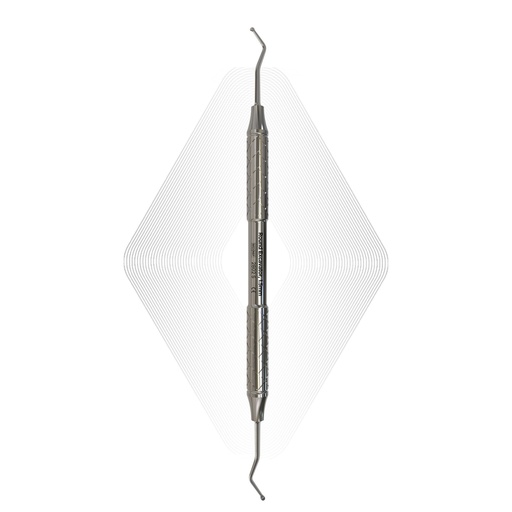
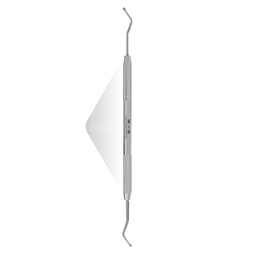
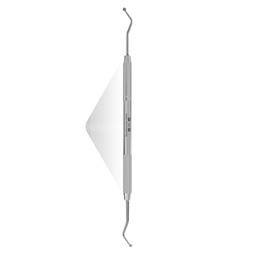
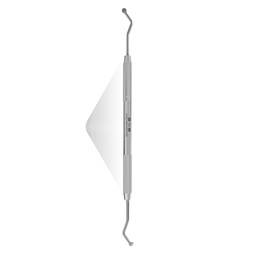
The round (ball-ended) excavator has a circular, bowl-shaped cutting edge that scoops soft, decayed dentine cleanly while sparing healthy tooth structure. It is the everyday excavator on most operative trays.
When to use: Routine removal of soft caries and excess cement. Pick a smaller tip (1.0–1.5 mm) near the pulp and for paediatric teeth, and a larger tip (2.5–3.0 mm) for bulk decay.
Handles: ErgoSteel S / SP / SS, ErgoX X / XP, and colour ErgoLite
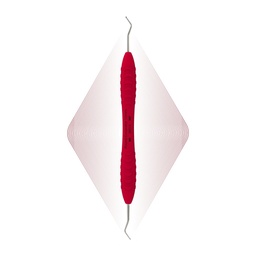
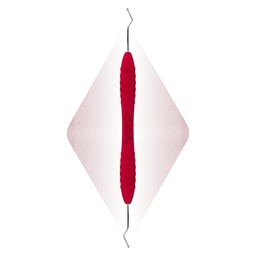
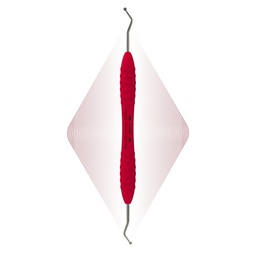
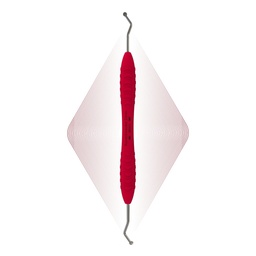
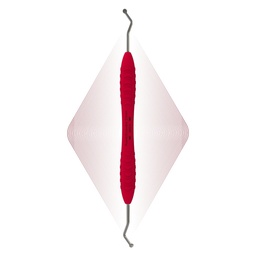
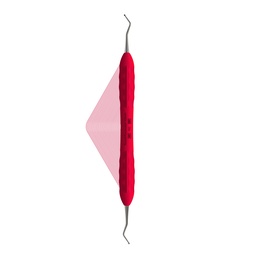
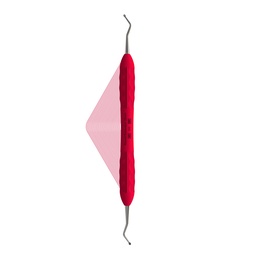
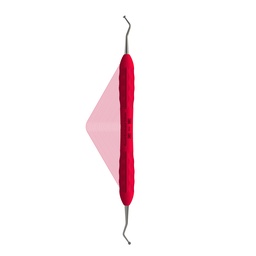
Spoon excavator
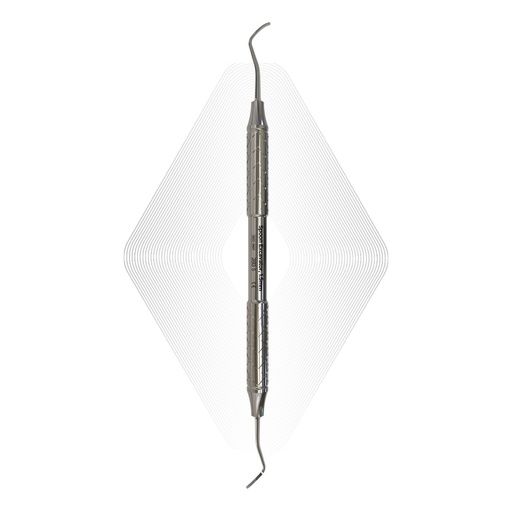
The spoon excavator has the classic elongated, spoon-shaped blade prized for tactile feedback and controlled cutting.
When to use: Gentle, careful excavation of soft caries — especially in deeper cavities and close to the pulp — and for cleaning the cavity floor before restoration.
Handles: ErgoSteel S / SP / SS, ErgoX X / XP, and colour ErgoLite
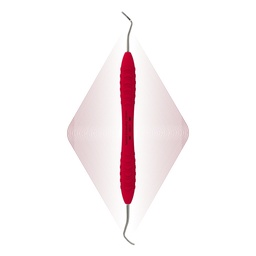
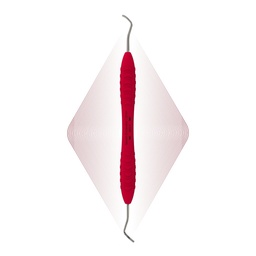
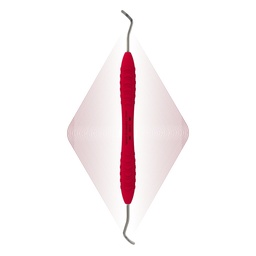
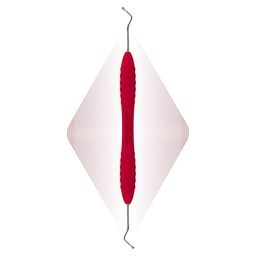

Action excavator
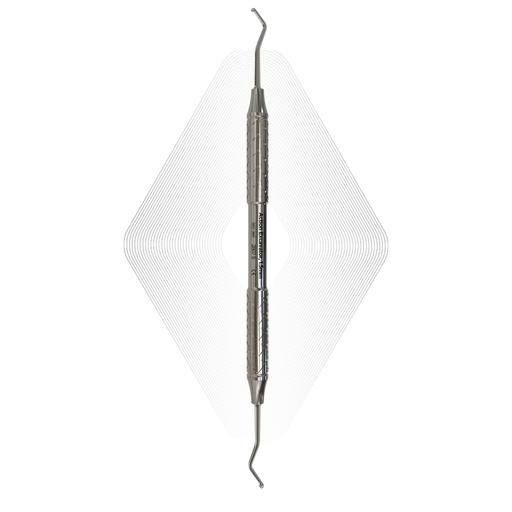
The action excavator carries a sharper, more aggressive edge — a hybrid that both cuts and scoops, combining the strengths of round and spoon designs.
When to use: When dentine is firmer, or to remove set cement, temporary materials and tougher debris that a standard spoon or round won’t shift as easily.
Handles: ErgoSteel S / SP / SS, ErgoX X / XP, and colour ErgoLite
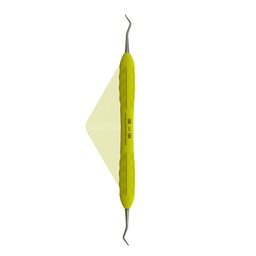
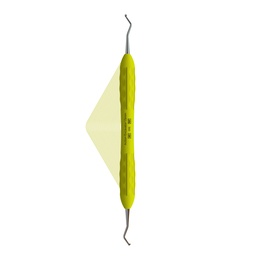
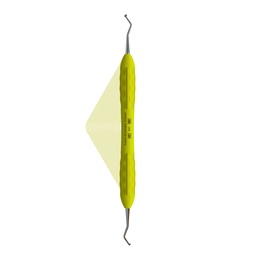
Micro / endodontic excavators (31L · 32L · 33L)

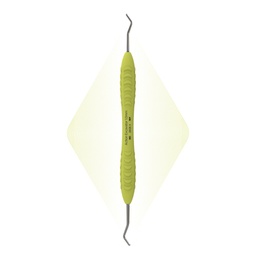
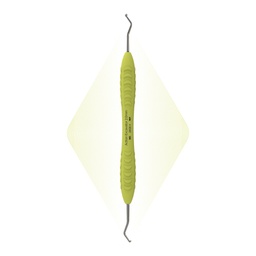
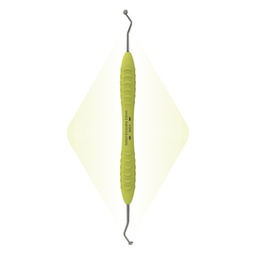
Long, fine micro excavators (31L, 32L, 33L) designed for restricted access and delicate intra-canal and surgical work.
When to use: Endodontics — clearing debris and tissue from the pulp chamber — and apical / retrograde micro-surgery where access and visibility are limited.
Handles: ErgoX and black ErgoX (K-X) micro handles
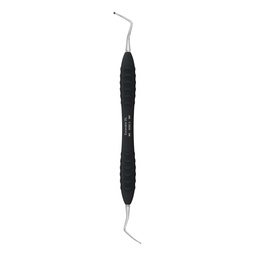
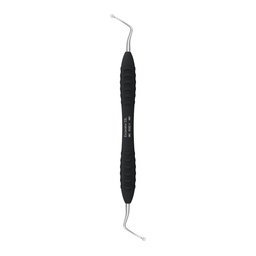
Which handles are ErgoDenta excavators available in?
This is where ErgoDenta stands out: the same excavator tip is offered across several handle lines, identified by a suffix on the article number. For example Round Excavator 1.0 mm is article 2801 — and the suffix tells you the handle:
| Suffix / line | Handle | Feel / best for |
|---|---|---|
| … S | ErgoSteel | Solid stainless-steel handle — classic, durable |
| … SP | ErgoSteel Plus | Lightweight, larger-diameter steel grip — less hand fatigue |
| … SS | ErgoSteel Standard | Standard-weight steel handle |
| … X | ErgoX® | ErgoDenta’s signature ergonomic hollow handle — light & grippy |
| … XP | ErgoX® Plus | Larger-diameter ErgoX for maximum comfort |
| ErgoLite | ErgoLite / ErgoLite X | Ultralight, colour-coded resin handle (e.g. 9112–9117) |
Worked example — Round Excavator 1.0 mm: 2801 S (ErgoSteel), 2801 SP (ErgoSteel Plus), 2801 SS (ErgoSteel Standard), 2801 X (ErgoX®), 2801 XP (ErgoX® Plus), plus the ErgoLite 9112. The same logic applies to spoon (2811…) and action (2806…) excavators.
How to choose
Reach for a round or spoon excavator for routine soft-caries removal, a finer size (1.0–1.5 mm) near the pulp and for paediatric work, a larger size (2.5–3.0 mm) for bulk decay, and an action excavator when the dentine is firmer or you’re removing set cement. For endodontic and apical micro-work, choose the long 31L/32L/33L micro excavators. Pair them with composite instruments from our composite placement guide, and see how excavators sit in the wider basic dental instrument set.