For a dental instrument dealer, compliance is not a folder collected once. It is a repeatable process for verifying products, preserving traceability and acting when information changes.
Under the EU Medical Device Regulation, distributors and importers are economic operators with defined responsibilities. Their exact duties differ. A business established in the Union that places a device from a third country on the EU market is an importer; a business further along the supply chain may act as a distributor.
This practical checklist is general information, not legal advice. Always assess the exact product, supply route, market and role with your regulatory professional or competent authority.
First, establish your economic-operator role
The distinction affects what you must verify and record. If you buy a device directly from a manufacturer outside the EU and place it on the Union market, importer obligations may apply. If you obtain the device from an EU manufacturer or importer and make it available further in the supply chain, you may be acting as distributor.
The European Commission's economic operators overview and MDCG guidance on Articles 13 and 14 provide the authoritative starting point.
Before making a device available: distributor checks
Article 14 requires distributors to act with due care. Before making a device available, the distributor should verify the applicable points, including:
- The device bears CE marking where required.
- The EU declaration of conformity has been drawn up.
- The device is accompanied by the information supplied by the manufacturer.
- For imported devices, the importer has supplied the required identifying information.
- Where applicable, the manufacturer has assigned a UDI.
The regulation permits specified distributor checks to be carried out using a representative sampling method. The method should be appropriate, documented and capable of demonstrating due care.
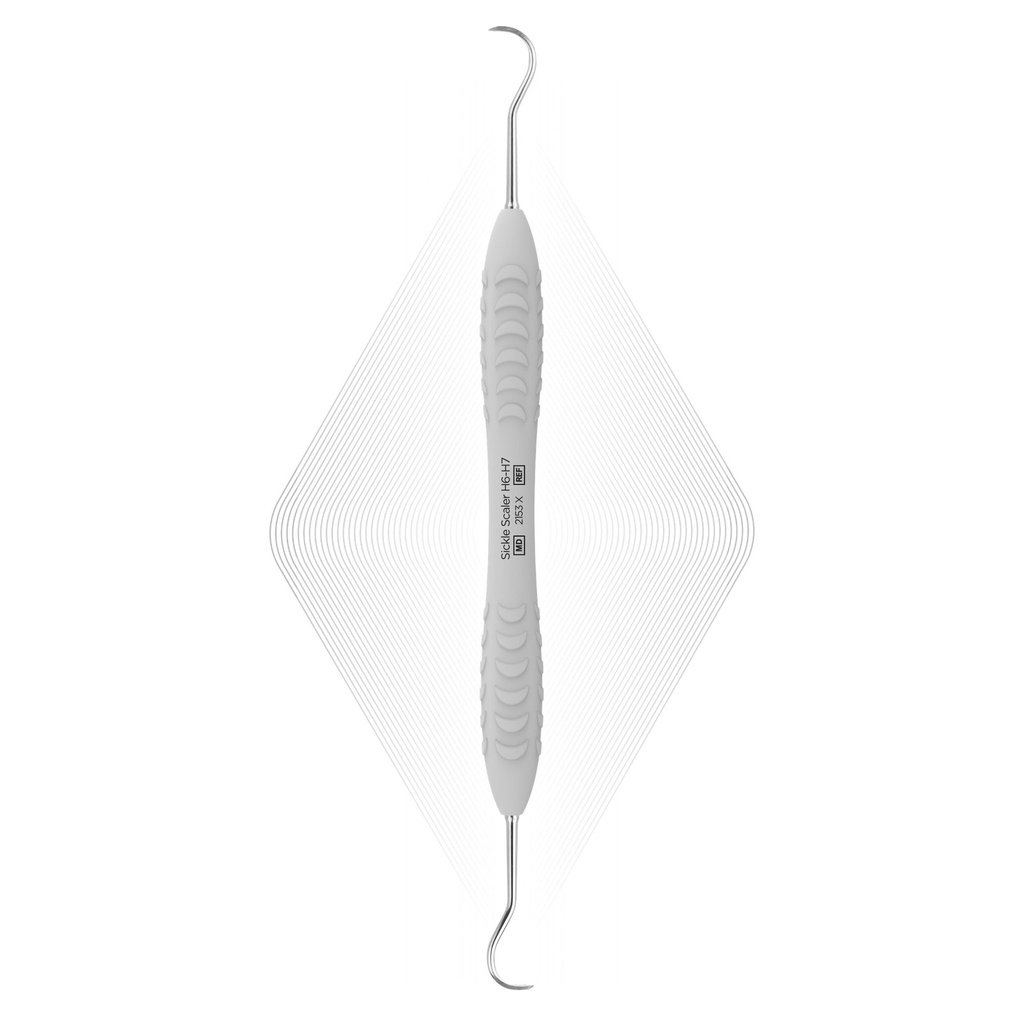
The product, label, accompanying information and traceability record should form one controlled chain.
Importer checks go further
Article 13 requires importers to place only conforming devices on the Union market. Importers verify CE marking and the declaration of conformity, the manufacturer and—where relevant—the authorised representative, labelling and instructions, and applicable UDI assignment. Importer identification must also appear on the device, packaging or accompanying documentation as provided by the regulation.
Importers also have record-keeping, cooperation and notification responsibilities. If there is reason to believe a device is non-conforming, it should not be placed on the market until the issue is resolved and the relevant parties are informed.
Storage, transport and traceability
While a device is under a distributor's or importer's responsibility, storage and transport conditions must comply with the manufacturer's requirements. For reusable dental instruments this means maintaining product identification, packaging integrity and any handling conditions through warehousing and delivery.
Create a practical traceability record linking supplier, product/article code, batch or other applicable identifier, receipt and customer movement. Your process should allow the affected products and customers to be identified efficiently if a correction, safety notice or recall occurs.
Complaints, incidents and non-conformity
Staff need a clear route for product complaints and suspected incidents. Records should distinguish ordinary commercial issues from potential safety or conformity concerns. Relevant information must be transmitted promptly to the manufacturer and other applicable economic operators, with competent authorities involved where required.
Do not sell a product when you have reason to believe it is non-conforming. Quarantine affected stock, preserve evidence and document the decision and communication trail.
Be careful with relabelling, repackaging and private label
Adding a label, changing packaging, translating information or selling under another name can trigger additional requirements, including those in MDR Article 16. Never assume that a standard distribution agreement automatically covers these activities. Define responsibilities in writing before changing a device's presentation.
If you are considering your own instrument brand, use a structured programme with the legal manufacturer and regulatory responsibilities clearly established. See our private-label dental instrument programme.
A practical supplier file
- Supplier and economic-operator details
- Product list with article codes and applicable classifications
- Current declaration of conformity and relevant certificates where applicable
- Approved labels, packaging and instructions/reprocessing information
- UDI and traceability information where applicable
- Change-notification and document-review log
- Complaint, non-conformity, corrective-action and recall contacts
- Storage and transport requirements
ErgoDenta supports professional partners with product identification, reprocessing information and applicable regulatory documentation for the agreed range. Dealers evaluating a new line can begin with our distributor programme or learn more about ErgoDenta's supply model.
Frequently asked questions
What is the difference between a medical-device importer and distributor?
Under the MDR, an importer is an EU-established person or company placing a device from a third country on the Union market. A distributor is a supply-chain operator other than the manufacturer or importer that makes the device available up to putting it into service.
Must a dental instrument distributor check every unit?
MDR Article 14 permits specified verification checks to use a representative sampling method. The distributor should establish and document an appropriate method rather than assume that no verification is required.
What should a dealer do with a suspected non-conforming device?
Do not make it available. Segregate the affected stock, preserve traceability information and inform the relevant manufacturer and economic operators. Notify the competent authority where the regulation requires it.
Does changing packaging or adding a brand name affect MDR responsibilities?
It can. Relabelling, repackaging, translation and selling under another name may trigger additional MDR requirements. Confirm the arrangement and responsibilities with the legal manufacturer and qualified regulatory advice before making changes.
Evaluate the range and the documentation together
Tell us which products and market you are considering. We will identify the applicable ErgoDenta product information available for the discussion.
Contact ErgoDenta