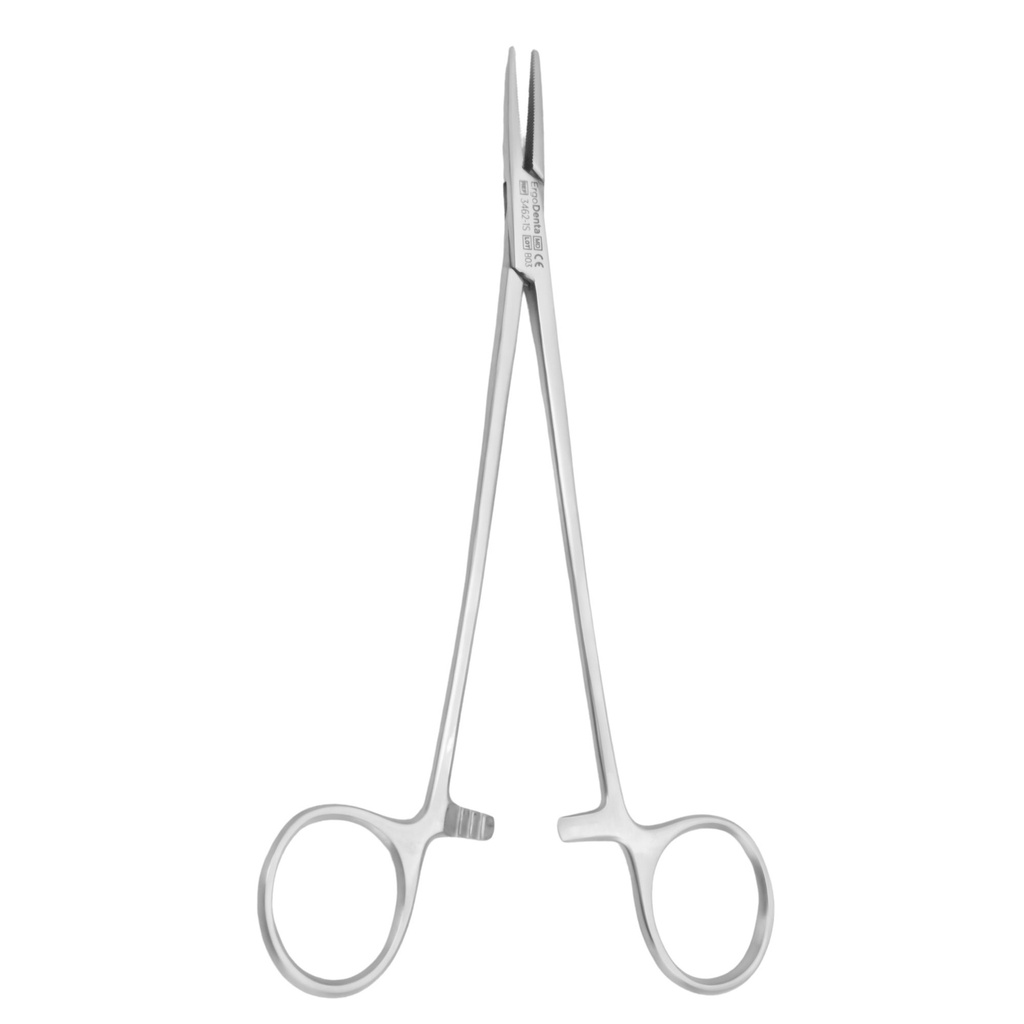
Tissue forceps fall into two camps: ones that hold tissue gently for suturing, and ones that grip and retract firmly. Pick the wrong type and you either crush a delicate flap or lose your grip mid-suture. Here's how the main patterns differ.
In oral surgery, "forceps" covers everything from fine suturing tweezers to clamping tissue-holders. This guide sorts the surgical tissue and dressing forceps — Adson, Gerald, Semken, Allis and anatomical dressing patterns — by grip and use. (For diagnostic cotton/college tweezers, see our dental tweezers guide.)
Toothed vs non-toothed — the key distinction
A toothed (1×2) forceps has interlocking teeth that grip tissue securely with minimal pressure — ideal for holding a flap during suturing without it slipping. A non-toothed (serrated/anatomical) forceps has flat, ribbed jaws that hold gauze, sutures and atraumatic tissue handling. The rule: teeth for skin/flap, serrations for dressing and delicate tissue.
The main patterns
- Adson — broad, comfortable spade-shaped handle; the standard fine tissue forceps, in toothed (1×2) and serrated versions for suturing and flap handling.
- Gerald — longer and finer than Adson, for delicate and deeper-site tissue handling and microsurgery.
- Semken — fine, with toothed or serrated tips; a delicate dressing/tissue forceps.
- Allis — a locking tissue-holding forceps with multiple fine teeth, used to grip and retract tougher tissue (e.g. during cyst or biopsy work).
- Anatomical dressing forceps — non-toothed, for placing and removing dressings, gauze and sutures.






Choosing for the task
- Suturing a flap: Adson 1×2 toothed — secure grip, minimal trauma.
- Delicate / deep tissue: Gerald.
- Holding and retracting firm tissue: Allis.
- Placing dressings / handling gauze and suture: anatomical (serrated) or Semken.