A Simple OEM Guide for Dental Distributors and Brands
Silicone dental instruments are one of the fastest-growing categories in private label and OEM dental manufacturing. For distributors and dental brands, they offer a practical combination of ergonomics, competitive pricing, and scalable production.
Private label silicone instruments allow companies to build their own branded instrument ranges without investing in in-house manufacturing. This makes them especially attractive for distributors, wholesalers, and companies supplying tenders or multiple clinics.
This article explains why silicone dental instruments work well for private label programs and what to consider when developing an OEM range.
Why Silicone Dental Instruments Are Popular in Private Label
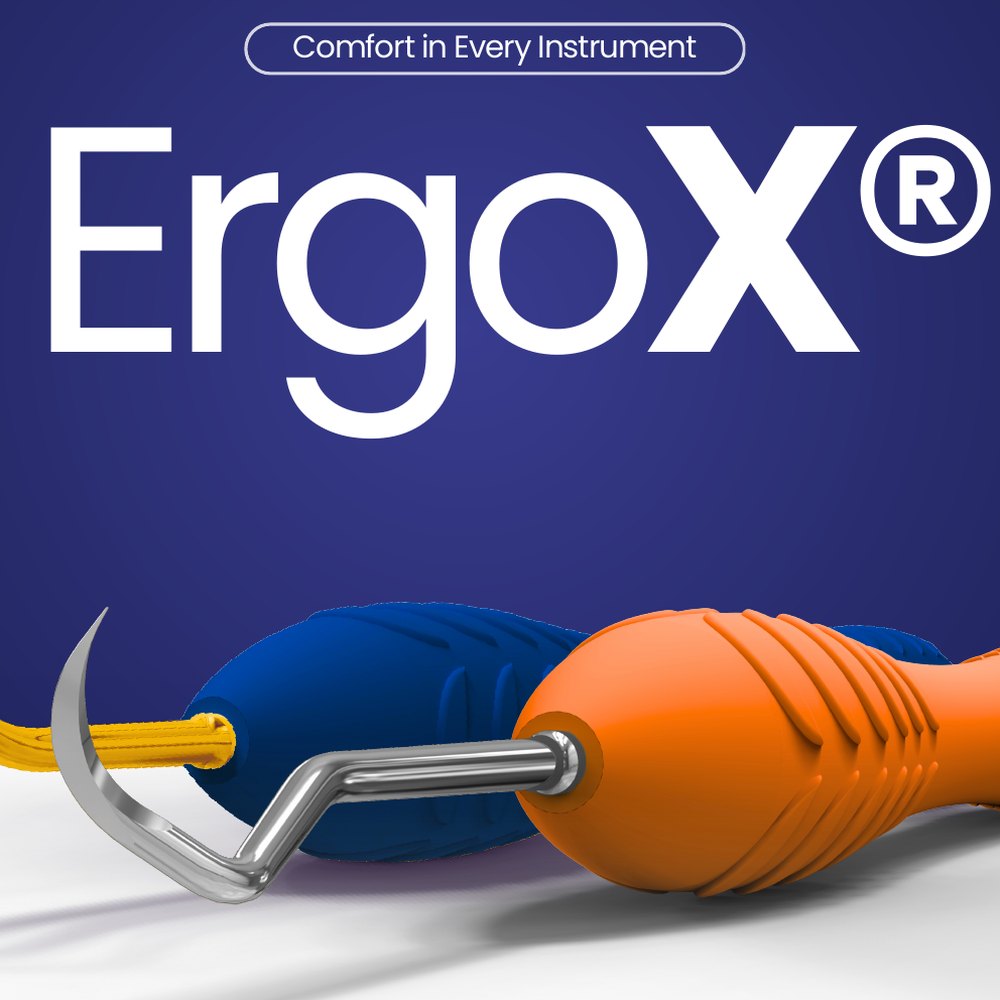
Silicone-handled dental instruments are widely used in daily clinical work. From an OEM perspective, they also offer several advantages compared to traditional steel instruments.
Key reasons for their popularity include:
- Better grip and handling during procedures
- Lower instrument weight
- Improved ergonomics for long working sessions
- Clear visual differentiation through handle colors
- Broad acceptance across different dental disciplines
These factors make silicone instruments easier to introduce into existing markets under a private label brand.
Why Silicone Handles Work Well for OEM and Private Label Programs
For private label and OEM buyers, silicone instruments are attractive because they are easy to standardise and scale.
Standardised Handle Platforms
Most private label programs use a limited number of silicone handle designs. This allows:
- Fewer SKUs to manage
- Easier stock planning
- Faster repeat orders
- Consistent branding across the range
Cost-Effective Ergonomics
Silicone handles provide ergonomic benefits without the cost of complex steel or hybrid designs. This makes them suitable for:
- Volume distribution
- Price-sensitive markets
- Tender and institutional business
Flexible Branding Options
Silicone instruments can be branded through:
- Laser marking
- Color selection
- Packaging customisation
All without changing the core manufacturing process.
What to Consider When Developing Private Label Silicone Instruments
A successful private label silicone program focuses on long-term supply, not just product appearance.
Handle Quality and Material
The silicone material must remain stable after repeated autoclaving. Consistent material quality is essential for OEM buyers supplying multiple markets.
Tip Design and Performance
Clinicians judge instruments by the working end. Private label instruments should use:
- Proven tip geometries
- Reliable sharpness levels
- Consistent finishing
This reduces the risk of complaints and returns.
Range Structure
Most OEM programs start with core instruments such as:
- Scalers
- Curettes
- Diagnostic instruments
The range can then be expanded once market demand is confirmed.
Where Private Label Silicone Instruments Are Commonly Used
Private label silicone dental instruments are widely used in:
- Dental distribution networks
- Group purchasing organisations
- Public and private tenders
- Multi-clinic groups and DSOs
Their balance between ergonomics and pricing makes them suitable for both daily use and high-volume supply contracts.
How ErgoDenta Supports Private Label Silicone Instrument Projects
ErgoDenta works with distributors and dental brands to develop structured private label silicone instrument ranges.
Our OEM support typically includes:
- Selection of standard silicone handle platforms
- Silicone color and branding options
- Definition of a focused instrument range
- Support with documentation and compliance
- Production planning for repeat orders
The aim is to support scalable and reliable OEM partnerships, not one-off projects.
Summary
Private label silicone dental instruments offer a practical entry point into ergonomic hand instruments for distributors and dental brands. They combine market acceptance, manageable costs, and OEM scalability.
When designed with standardisation and long-term supply in mind, silicone instruments can become a strong and reliable part of a private label portfolio.
Explore ErgoDenta Instruments
Premium ergonomic dental instruments crafted in Europe. Browse the catalogue or get in touch for custom requirements and private-label orders.
Frequently asked questions
Do I need a finished design to start a private-label project?
No. A sketch, a sample, a clinical brief, or a phone call describing what you want is enough. Our design team takes it from there.
Are ErgoDenta instruments compliant with EU-MDR?
Yes. Most ErgoDenta hand instruments are Class I medical devices under EU-MDR; reusable surgical instruments fall under Class I-R. Documentation is maintained under our ISO 13485 quality system.
How do I start a private-label enquiry?
Email info@ergodenta.dk with your country, the product idea and rough volume — or send the form on our private-label page. We reply within one business day.